
Is your faucet's water flow weak, sputtering, or uneven? Don't fret! The culprit is likely that often-overlooked little component: the faucet aerator. Whether you're a homeowner struggling with water flow issues, a procurement manager responsible for hotel or restaurant equipment maintenance, or a wholesaler/importer seeking cost-effective aftermarket parts, this ultimate guide will provide you with the most comprehensive solutions and industry insights.
Last Updated: October 2025 | Estimated Reading Time: 12 minutes

· Why is a faucet aerator so important? How does it impact your life and business?
· How to identify and remove different types of faucet aerators like a pro?
· Cleaning vs. Replacing: When to clean, and when do you need a brand new aerator?
· How to choose the right new aerator for your needs, avoiding pitfalls?
· [B2B Exclusive] Strategic sourcing and after-sales support secrets for wholesalers, importers, and hospitality procurement managers.
· Industry insights to optimize operational efficiency and customer satisfaction.
The faucet aerator, often a forgotten piece located at the very tip of your faucet spout, is far more than just a decorative cap. It's the "unsung hero" behind your faucet's functionality, efficiency, and comfort.
Core Functions of an Aerator:
1. Aeration: It mixes air with the flowing water, creating a softer, fuller, and whiter stream that feels pleasant and prevents splashing. This "aerated" stream is why you don't get soaked every time you wash your hands.
2. Flow Regulation: It precisely controls the water flow rate, helping to conserve water without sacrificing perceived pressure. This is where "low-flow" aerators come into play, a critical aspect for water conservation and meeting regional efficiency standards.
3. Filtration: The aerator acts as a basic filter, trapping sediment and debris from the water supply, preventing them from entering your stream. This is often why aerators get clogged.
Industry Pain Point Unveiled: Many cheap faucets may use chrome-plated brass or even low-grade zinc alloy for their internal components. Prolonged contact with water and mineral deposits can cause these materials to leach metal ions, affecting water quality, potentially fostering bacterial growth, and ultimately leading to poor flow and health concerns.
Common pain points with faucet aerators include:
· Mineral Buildup: Minerals in the water (calcium, magnesium, etc.) accumulate over time on the aerator's mesh, forming hard scale that clogs the outlets, leading to reduced flow and splashing.
· Debris Clogging: Sediment, rust, and other impurities from the water supply system are trapped by the aerator's filter screen, causing blockages.
· Gasket Degradation: The rubber gaskets (O-rings or washers) inside or at the connections of the aerator can age, harden, or crack, leading to leaks or inconsistent water flow.
· Internal Component Damage: Improper cleaning methods or prolonged use can cause the internal plastic or metal mesh of the aerator to deform or break.
These issues are not only frustrating but can also waste water resources and even affect water hygiene.
As a homeowner, if you're experiencing weak or erratic water flow from your faucet, your aerator is likely clogged. Don't call a plumber just yet! This is typically a simple DIY task.
1. Safety First: Always locate and turn off the main water supply valve (usually under the sink) before attempting any work on your faucet. Then, open the faucet handle briefly to relieve any residual water pressure. This prevents unexpected geysers!
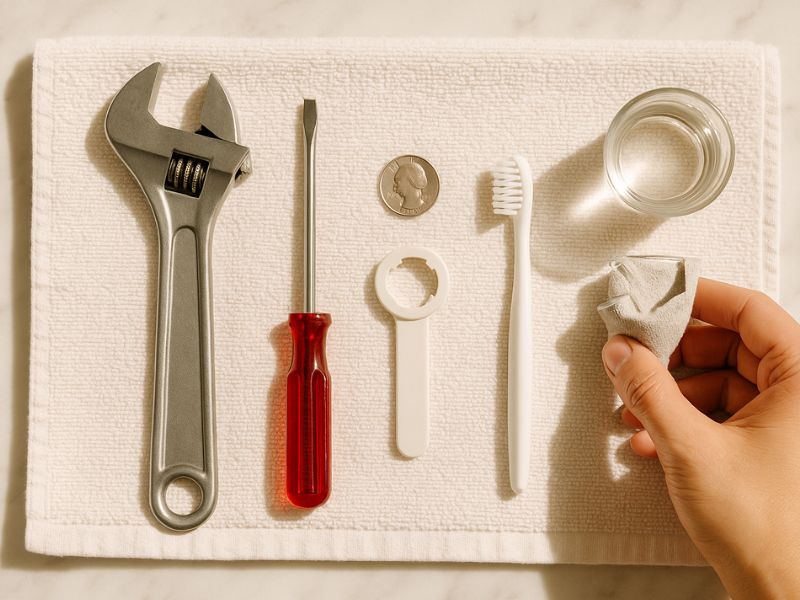
2. Gather Your Tools: You'll likely need:
o An adjustable wrench or channel locks (for external aerators).
o A piece of cloth or electrical tape (to protect the faucet finish).
o A flat-head screwdriver or a coin (for slotted aerators).
o A dedicated aerator removal key (for concealed/recessed aerators – often supplied with new faucets).
o A small bowl or rag to catch drips.
o Your new aerator insert or a cleaning solution.
Aerators primarily come in two types:
· External Aerator: The most common type. It looks like a visible cap threaded onto the outside of the spout.
· Internal/Concealed Aerator: These are recessed into the spout, with only small slots or notches visible around the rim. They require an aerator key or a large flat-head screwdriver/coin.
1. Protect the Finish: Wrap a cloth or apply electrical tape around the aerator's housing to prevent scratches from your wrench.
2. Unscrew Counter-Clockwise: Using your adjustable wrench or channel locks, carefully turn the aerator assembly counter-clockwise. It might be a bit stiff due to mineral buildup.
3. Disassemble: Once unscrewed, gently pull it off. You'll typically find several components inside: the outer housing, a rubber gasket (washer), and the aerator insert itself (often with a mesh screen).
1. Locate Slots: Look for two small diametrically opposed slots or notches inside the rim of the spout.
2. Insert Tool: Insert a coin, a flat-head screwdriver, or your specific aerator key into these slots.
3. Twist Counter-Clockwise: Rotate it counter-clockwise until the aerator insert comes loose. Pull it out.
Crucial Tip: In either case, pay close attention to the small rubber gasket(s) or washer(s). These are essential for preventing leaks. If they are in good condition, set them aside carefully; you'll need them for reinstallation. If they are brittle or cracked, it's an ideal time to replace them.
· Cleaning: For minor clogs, you can try cleaning the existing aerator. Gently tap out any loose debris. For mineral buildup, soak the aerator insert (especially the mesh part) in a solution of white vinegar for a few hours or overnight. Use an old toothbrush or a fine needle to gently dislodge stubborn particles from the mesh holes. Rinse thoroughly.
· Replacing: If cleaning doesn't restore proper flow, or if the aerator components (especially the mesh) are damaged, it's time for a new insert. Be sure to match the size and thread type (male or female, and diameter) of your old aerator when buying a replacement. You can often bring the old one to a hardware store for a perfect match.
DIY Tip: If you have multiple faucets at home using the same aerator model, consider having a few spare replacement parts on hand. This way, the next time it clogs, you can replace it directly, saving time on cleaning or waiting for a purchase.
1. Place the Gasket: Ensure the rubber gasket is properly seated on the new aerator insert or within the aerator housing. This is vital for a watertight seal.
2. Hand-Tighten First: For external aerators, screw the assembly back onto the spout by hand, turning clockwise. For internal ones, push the insert in and then twist clockwise with your coin/screwdriver/key.
3. Final Snug: Once hand-tight, use your wrench (with cloth protection) or key to give it a final, gentle snug turn. Do not overtighten, as this can damage the aerator or the faucet threads.
4. Restore Water: Slowly turn the main water supply valve back on.
5. Test: Open the faucet handle and check for leaks around the aerator and for proper water flow. If there's a leak, you may need to tighten it slightly more or check if the gasket is seated correctly.
|
Tool Name |
Applicable Aerator Type |
Primary Use |
|
Adjustable Wrench |
External Aerator |
Unscrews external threaded aerators |
|
Flat-head Screwdriver |
Internal/Concealed Aerator |
Inserts into slots and rotates for removal |
|
Dedicated Aerator Key |
Hidden/Recessed Aerator |
Designed for specific models, easier removal |
|
White Vinegar Solution |
All Types (for cleaning) |
Dissolves mineral scale, deep cleaning |
|
Old Toothbrush/Needle |
All Types (for cleaning) |
Cleans small holes in the mesh screen |
For wholesalers, importers, retailers, hotel/restaurant procurement managers, and OEM clients, the aerator, though small, carries significant strategic value. As industry veterans know, the "silent killer" of customer satisfaction for faucet products is often not a catastrophic leak; it's the annoying, slow drip or poor stream quality caused by a clogged aerator.
While Neoperl is indeed a global leader with excellent quality, their high price points, difficulty in procuring small quantities, and logistical challenges (especially for fast-moving replacement parts) make them less ideal for general after-sales support or cost-sensitive markets.
As a wholesaler or importer, you need a reliable, cost-effective source for aerators to support your product lines and provide prompt after-sales service.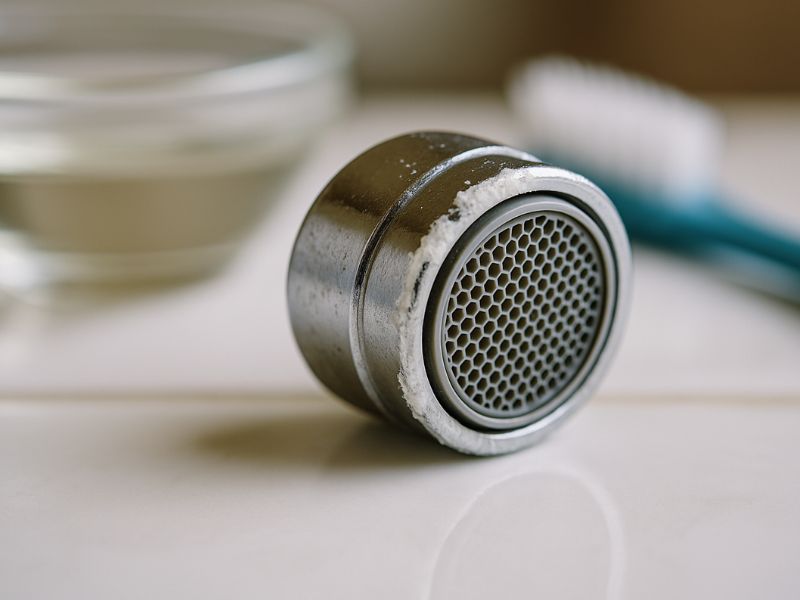
Diversify Your Suppliers: Don't put all your eggs in one basket. Having multiple, vetted suppliers in countries like China (e.g., FaucetProducer.com) ensures supply stability and competitive pricing.
Focus on Key Specifications, Not Just Brands:
1. Material: Most common are metal-mesh (brass or stainless steel inserts) and plastic inserts.
o Metal-mesh: More durable against physical damage, generally better long-term filtration. But can corrode or calcify if not specified correctly for water quality.
o Plastic: More resistant to mineral buildup, often cheaper, suitable for various water conditions.
2. Flow Rate (GPM/LPM): Crucial for market compliance and customer satisfaction.
o Low-Flow Aerators: Essential for regions like North America (e.g., 1.2 GPM, 1.5 GPM) or Europe (e.g., 4 L/min, 6 L/min) with strict water conservation standards. Ensure your supplier can provide certificated low-flow models.
o Normal Flow: For regions where water conservation is less emphasized or higher flow is desired.
3. Installation Method: As discussed, prepare for both coin-slot and recessed/concealed types. Ensure you stock the appropriate removal keys if you sell concealed aerator faucets.
4. Thread Type & Size: This is non-negotiable. Aerators come in various diameters (e.g., M22x1, M24x1 for female/male threads respectively) and thread pitches. Accurately communicate your requirements to the supplier, or better yet, provide samples.
5. Water Pressure Compatibility: Some aerators are designed specifically for low-pressure systems, providing a better stream even with limited water pressure. This is a critical selling point in older buildings or regions with low water pressure infrastructure.
|
Feature |
Metal Mesh Aerator |
Plastic Mesh Aerator |
|
Durability |
Stronger against physical damage, better long-term filtration |
More resistant to mineral buildup, lower cost |
|
Cost |
Typically higher |
Typically lower |
|
Applicability |
Suitable for scenarios prioritizing ultimate quality and durability |
Suitable for daily use, cost-sensitive scenarios |
|
Water Quality |
Needs attention to water quality, avoid corrosion or calcification |
Wider application range, less affected by water quality |
· Bulk Purchase: It’s far more cost-effective to purchase aerators in bulk from your faucet manufacturer (like FaucetProducer.com) than to buy them retail or from specialized, small-volume suppliers. This significantly reduces your unit cost for after-sales parts.
· Commonality Analysis: Analyze your product portfolio. Which aerator types are most frequently used across your different faucet models? Prioritize stocking these common parts in large quantities.
· Spare Parts Kits: Consider offering small "aerator replacement kits" as part of your after-sales service or even as a value-add with initial faucet purchases. This empowers your customers and reduces service calls.
· Supplier Vetting: For aerators, subtle quality differences can lead to significant problems. Ensure your Chinese suppliers have robust quality control. Ask for material certifications (e.g., lead-free brass if applicable for metal meshes), flow rate test reports, and durability tests. A good supplier like FaucetProducer.com will be transparent about their manufacturing processes and quality checks.
· Gasket Quality: The accompanying rubber gasket is as important as the aerator itself. Ensure it's made of durable, non-degrading material that won't crack or leak after a few months.
· Packaging: Aerators are small and easily lost or damaged. Ensure they are well-packaged for shipping and storage, especially if destined for retail shelves.
|
Issue |
Root Cause Analysis |
Solution |
Recommended Material/Design |
|
Low Flow/Splashing |
Mineral scale/debris clogging, mesh aging |
Clean/Replace Aerator |
Plastic Mesh/Easy-to-remove |
|
Continuous Dripping |
Gasket aging/damage |
Replace Gasket or Entire Aerator |
Durable Rubber/Silicone Gasket |
|
Noisy Water Flow |
Loose internal parts/pressure mismatch |
Check and tighten internal parts/Choose pressure-compatible aerator |
Stable Structure/Low-pressure Compatible |
|
Surface Corrosion/Discoloration |
Inferior material (zinc alloy)/water corrosion |
Replace with Stainless Steel/Nickel-plated Aerator |
Food-grade Stainless Steel/Nickel-plated |
Your competitive edge in offering faucet products lies in providing QUICK and COST-EFFECTIVE after-sales solutions for these minor issues. Having readily available, high-quality, and cost-efficient aerator replacements (sourced from your main faucet supplier or specialized bulk suppliers) will dramatically improve your brand reputation, reduce customer complaints, and turn a potential negative into a positive customer service experience. It shows you understand the entire product lifecycle, not just the initial sale.
Never underestimate the power of a cheap spare part to save a valuable customer relationship.
By proactively managing your aerator supply chain, you transform a potential service headache into an opportunity for customer loyalty and efficient operations. This is the hallmark of a truly experienced and successful sanitaryware business.
Regardless of the aerator chosen, always use food-grade cleaning agents for regular and thorough cleaning. This is the ultimate secret to ensuring water quality and extending the aerator's lifespan.
The faucet aerator, though small, plays a pivotal role in the faucet's function, efficiency, comfort, and after-sales service management. Through this guide, whether you're a DIY enthusiast, a hospitality procurement manager, or a wholesaler/importer, you should now be able to make informed decisions to ensure every water experience is flawless, while also bringing tangible economic benefits and enhanced brand value to your business.
1. U.S. Environmental Protection Agency (EPA) WaterSense Program
3. NSF International (Public Health and Safety Organization)


